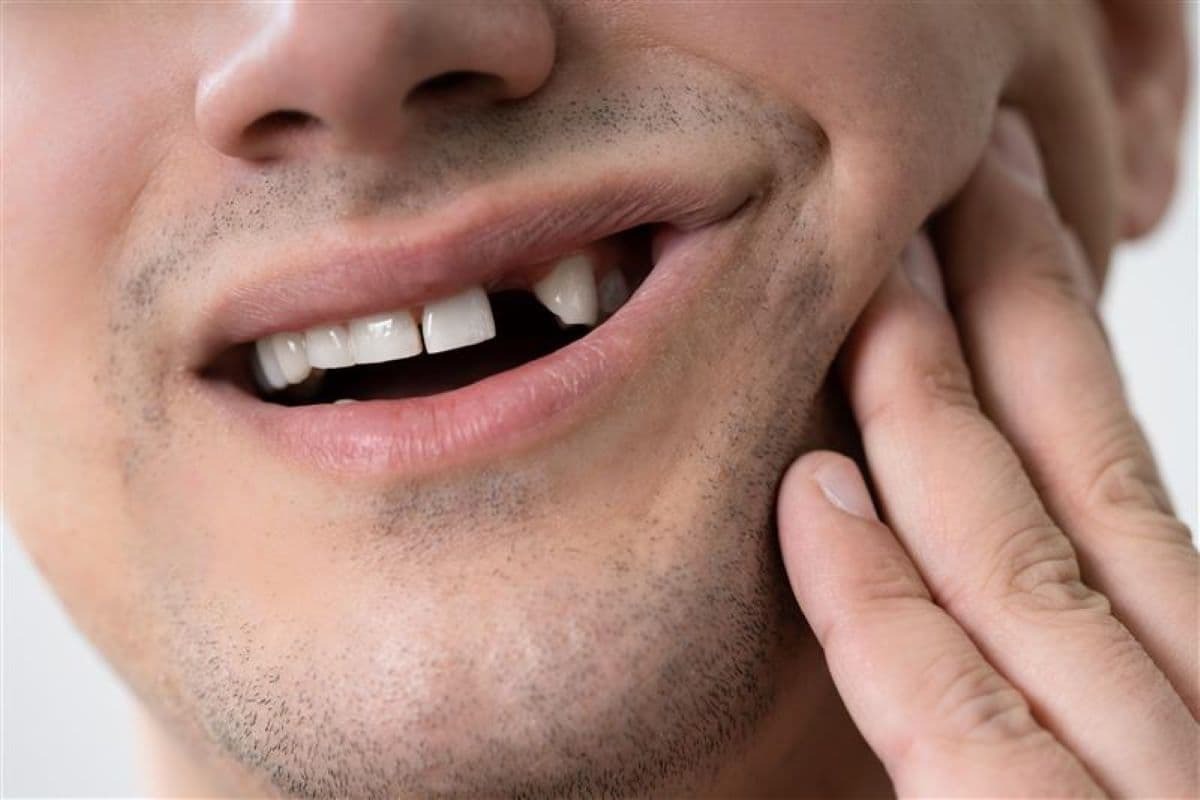
The 'Gap' Effect: What Happens If You Do Nothing About a Missing Tooth
Written By
Dental Implants Team
It is common to assume that a missing back tooth does not matter because it is not visible when you smile. However, leaving a gap in your mouth can affect more than just appearance. Over time, changes may occur that influence your bite, your comfort, and the health of your remaining teeth.
This guide explains what can happen when a missing tooth is left unreplaced, helping you understand your options without pressure or urgency. The focus here is on education and long-term awareness, so you can make informed decisions about your oral health.
"It's a Back Tooth — Does the Gap Really Matter?"
Many people who lose a back tooth do not feel any immediate difference. There is often no pain, no obvious change in appearance, and chewing may seem relatively normal at first. These factors can lead to the assumption that the gap is harmless and does not require attention.
This is a completely understandable perspective. Without immediate symptoms, it can be difficult to imagine that anything significant is happening beneath the surface. However, your teeth and jaw are part of a carefully balanced system, and changes can develop gradually over months or years.
Understanding what may happen helps you weigh your options. It is not about creating alarm, but about providing the information you need to plan ahead.
How Teeth Respond When a Space Is Left Behind
Your teeth are not fixed rigidly in place. They exist within a dynamic environment where they respond to the forces around them. When a tooth is present, it is held in position partly by the contact it has with neighbouring teeth on either side, and by the opposing tooth it meets when you bite together.
When one tooth is removed, those stabilising contacts are lost. Without them, the teeth next to the gap and the tooth that used to bite against it may begin to shift. This movement is usually slow and subtle. You might not notice it happening day to day, but over time the changes can become more apparent.
It is worth noting that not everyone experiences the same degree of movement. Individual factors such as bone density, gum health, age, and the overall condition of your teeth all play a role. Some people may see noticeable changes within a year, while others may experience very little movement over many years.
What Is Super-Eruption?
Super-eruption refers to the phenomenon where a tooth gradually moves out of its socket when it no longer has an opposing tooth to bite against. Under normal circumstances, when you chew or close your mouth, your upper and lower teeth meet and apply gentle pressure to one another. This pressure helps keep each tooth in its proper position.
When a tooth is missing, the opposing tooth loses that counterforce. Over time, it may begin to drift downwards (if it is an upper tooth) or upwards (if it is a lower tooth), slowly extending into the empty space. This process can take months or years, but the result can affect how your teeth fit together when you bite.
Why Does Vertical Movement Affect Bite Balance?
When a tooth moves vertically, it no longer aligns correctly with the teeth around it. This can create uneven contact points when you bite, which may lead to discomfort, difficulty chewing, or increased wear on certain teeth. In some cases, super-erupted teeth can become more difficult to clean, potentially increasing the risk of decay or gum problems.
It is important to emphasise that these outcomes vary between individuals. Not everyone who has a missing tooth will experience significant super-eruption, but understanding the possibility can help you monitor your oral health more effectively.
How Neighbouring Teeth Can Drift Into the Gap
In addition to vertical movement, the teeth adjacent to a gap may gradually tilt or drift sideways into the empty space. This is sometimes referred to as mesial drift, particularly when teeth move towards the front of the mouth.
When teeth tilt, they can create new gaps or spacing issues elsewhere in the mouth. Tilted teeth can also be more challenging to clean properly, as the angles between teeth change and new areas become harder to reach with a toothbrush or floss.
Effects on Cleaning and Chewing
Teeth that have shifted out of alignment may trap food more easily or create pockets where plaque can accumulate. Over time, this can increase the risk of decay or gum inflammation in those areas.
From a functional perspective, tilted or shifted teeth may not meet as effectively when chewing. You might find yourself favouring one side of your mouth, which can lead to uneven wear patterns over time. Again, these changes are typically gradual and may not be immediately noticeable.
How Bite Alignment Can Be Affected Over Time
Your bite, or the way your upper and lower teeth come together, is a carefully coordinated system. Each tooth plays a role in distributing the forces of chewing evenly across your mouth. When teeth shift following tooth loss, this balance can be disrupted.
Uneven Forces and Wear
When your bite is no longer evenly distributed, some teeth may bear more pressure than they were designed to handle. Over time, this can lead to increased wear on certain teeth, which might cause sensitivity, chipping, or other issues. It can also place additional stress on the jaw joint and the muscles involved in chewing.
Some people experience no symptoms from bite changes, while others may notice discomfort, jaw tension, or headaches. The degree of impact depends on many factors, including the location of the missing tooth and the overall health of your remaining teeth.
Gradual Changes Without Pain
One reason bite changes can go unnoticed is that they often develop without causing pain. The body adapts to gradual shifts, so you may not realise anything has changed until the effects become more pronounced. Regular dental check-ups can help identify these changes early, allowing for informed decision-making about whether intervention is needed.
Is Doing Nothing Ever the Right Choice?
This is an important question, and the answer is: it depends. Choosing to leave a missing tooth unreplaced is not inherently wrong or irresponsible. It is a decision that should be made based on your individual circumstances, preferences, and the professional advice of your dental team.
Individual Factors to Consider
Several factors may influence whether leaving a gap is a reasonable choice:
- The location of the missing tooth — back teeth may have different implications compared to front teeth
- Your overall oral health and the condition of your remaining teeth
- Whether there are signs of movement or changes in your bite
- Your age and general health
- Your personal priorities and concerns
For some people, particularly those who are older or have other health considerations, the decision to monitor rather than treat immediately may be appropriate. The key is to make this choice with full awareness of the potential implications, rather than simply assuming that nothing will change.
Monitoring Versus Active Treatment
Even if you choose not to replace a missing tooth right away, regular monitoring is advisable. Your dentist can track any changes over time and help you decide if and when intervention might be beneficial. This approach allows you to remain informed and in control of your oral health.
If you are considering your options, a professional assessment can provide clarity. Your dental team can examine your mouth, take any necessary images, and give you personalised advice based on your specific situation. You may find it helpful to book implants consultation to discuss your options without any obligation.
Considering Your Options for Long-Term Oral Health
If you decide that replacing a missing tooth is the right choice for you, there are several options to consider. The most suitable option will depend on your individual needs, the condition of your remaining teeth, and your personal preferences.
One option that many people explore is dental implants in London. Implants are designed to provide a stable, long-term replacement for missing teeth. They integrate with the jawbone and function similarly to natural teeth, which can help maintain the balance of your bite and prevent the kind of shifting discussed in this article.
However, implants are not the only solution, and they may not be suitable for everyone. Other options include bridges, which use adjacent teeth for support, and dentures, which can replace one or more missing teeth. Each option has its own advantages and considerations, and the best choice depends on your unique circumstances.
The Value of Professional Discussion
Rather than trying to diagnose or decide on your own, we encourage you to have a conversation with a qualified dental professional. They can assess your situation, explain the potential implications of leaving a gap, and outline the options available to you.
A consultation is not a commitment to treatment. It is simply an opportunity to gather information so you can make the best decision for yourself. Many people find that having a clear understanding of their options reduces uncertainty and helps them feel more confident about their choices.
If you would like to discuss your situation in more detail, you are welcome to book an appointment with our team. We are here to answer your questions, provide guidance, and support you in whatever decision you make — without pressure or judgement.
Interested in this treatment?
Our highly experienced dentists are ready to help you achieve the smile you deserve.
Share this article
Popular Treatments
Ready to transform your smile?
Book a consultation with our experienced team today and take the first step towards a long-lasting solution.